


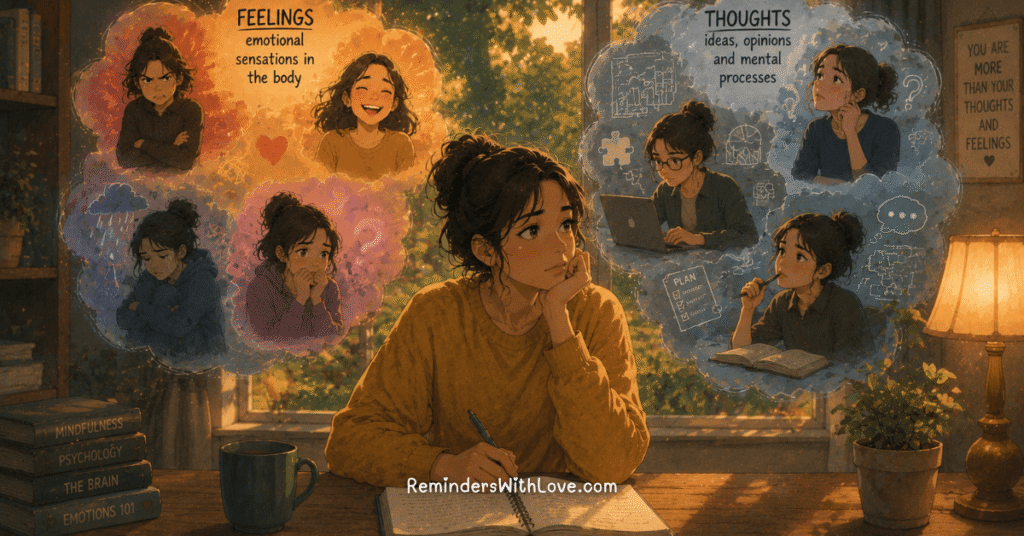
Learn what emotional triggers are, why certain situations affect us so strongly, and how understanding triggers can deepen emotional awareness and self-understanding.
Have you ever reacted far more strongly to a situation than you expected?
Maybe a simple comment ruined your mood for hours. Perhaps a disagreement left you feeling unusually angry, hurt, or defensive. Or maybe a small event triggered an emotional response that seemed much bigger than the situation itself.
Many people have experienced moments like these.
Often, they find themselves asking:
“Why did that affect me so much?”
The answer may lie in something psychologists, social workers, and human development researchers often call emotional triggers.
Emotional triggers are a normal part of human experience. They help explain why certain situations, words, memories, or interactions can evoke powerful emotional reactions.
Understanding emotional triggers is not about avoiding emotions. Rather, it is about understanding why particular experiences affect us in unique and meaningful ways.
This understanding can provide valuable insights into our emotions, relationships, personal histories, and overall emotional awareness.
What Is an Emotional Trigger?
An emotional trigger is something that evokes a strong emotional reaction.
Triggers can take many forms, including:
- Words
- Situations
- Memories
- Sounds
- Places
- Behaviors
- Social interactions
A trigger is not necessarily a negative event.
However, the term is often used when describing situations that produce intense emotional responses.
For example, someone might feel unexpectedly hurt after receiving criticism, while another person remains relatively unaffected by the same feedback.
The event itself is only part of the story.
The emotional meaning attached to the event often plays an important role.
Why Do Emotional Triggers Affect People Differently?
One of the most interesting aspects of emotional triggers is that they are highly personal.
The same situation can produce very different emotional reactions in different people.
For example:
A delayed text message might:
- Feel insignificant to one person
- Create anxiety for another
- Trigger feelings of rejection in someone else
Why does this happen?
Researchers suggest that emotional reactions are shaped by a combination of:
- Personal experiences
- Relationships
- Memories
- Expectations
- Social environments
As a result, people often respond differently to the same circumstances.
This individuality is one reason emotional triggers can sometimes seem confusing.
Are Emotional Triggers Connected to Past Experiences?
In many cases, yes.
Human beings do not experience events in isolation.
Every new experience is filtered through previous experiences.
For example:
A person who experienced repeated criticism growing up may react strongly to feedback in adulthood.
Someone who experienced exclusion may be especially sensitive to situations involving belonging and acceptance.
This does not mean people are consciously thinking about past experiences during every emotional reaction.
Rather, emotional responses often develop through patterns formed over time.
Researchers frequently describe emotions as being influenced by both present circumstances and past experiences.
Why Do Some Triggers Seem So Unexpected?
Not all triggers are obvious.
Sometimes people know exactly what affects them.
Other times, emotional reactions seem to come out of nowhere.
This can happen because emotional associations are often complex.
For example:
A particular song, smell, location, or phrase may unconsciously remind someone of a past experience.
The connection may not be immediately apparent.
Yet the emotional response still occurs.
Human memory is not simply a collection of facts.
It is closely connected to emotions.
Because of this, certain experiences can evoke feelings even when people do not immediately recognize the source.
What Are Some Common Emotional Triggers?
Although triggers vary from person to person, some themes appear frequently across many people’s experiences.
Common emotional triggers may involve:
Rejection
Humans naturally seek belonging and acceptance.
Experiences that feel like rejection can trigger strong emotions.
Criticism
Feedback or criticism may evoke feelings of embarrassment, disappointment, insecurity, or frustration.
Exclusion
Feeling left out of a group or social situation can affect people’s sense of belonging.
Failure
Mistakes and setbacks may trigger emotional reactions related to self-worth, expectations, or achievement.
Uncertainty
Many people find uncertainty emotionally challenging because it involves a lack of predictability and control.
These examples are not universal, but they illustrate how common life experiences can become emotionally significant.
How Do Emotional Triggers Affect Relationships?
Relationships are often one of the most common contexts in which emotional triggers emerge.
This happens because relationships involve:
- Attachment
- Trust
- Vulnerability
- Communication
- Expectations
When emotional triggers are activated within relationships, reactions may seem larger than the immediate situation.
For example:
A disagreement about a small issue may actually evoke deeper feelings related to:
- Respect
- Acceptance
- Understanding
- Security
Recognizing this complexity can improve understanding of interpersonal dynamics.
It reminds us that emotional reactions are often influenced by more than what is happening in the present moment.
Why Is Emotional Awareness Important for Understanding Triggers?
Emotional awareness helps people recognize emotional experiences more accurately.
Without awareness, triggers may simply feel like sudden emotional reactions.
With greater awareness, people may begin noticing patterns such as:
- Certain situations that consistently evoke strong feelings
- Recurring emotional themes
- Specific relationship dynamics
- Common emotional responses
Recognizing patterns can provide valuable insight into personal experiences and emotional tendencies.
Researchers often view emotional awareness as a key component of emotional intelligence and self-understanding.
Are Emotional Triggers Always Negative?
Not necessarily.
While emotional triggers are often discussed in relation to difficult emotions, positive emotional triggers also exist.
For example:
Certain experiences may trigger:
- Joy
- Gratitude
- Inspiration
- Hope
- Comfort
A familiar song, meaningful location, supportive conversation, or cherished memory can evoke powerful positive emotions.
This reminds us that emotional triggers reflect emotional significance rather than simply emotional distress.
They reveal what matters to us.
What Can Emotional Triggers Teach Us About Ourselves?
Emotional triggers often provide clues about important aspects of our lives.
They may reveal:
- Personal values
- Significant experiences
- Emotional needs
- Relationship patterns
- Areas of vulnerability
For example:
A strong reaction to unfair treatment may reflect a deeply held value related to justice.
A strong reaction to exclusion may highlight the importance of belonging.
Triggers often point toward experiences and values that hold emotional significance.
In this way, they can become sources of self-understanding.
What Does Research Say About Emotional Triggers?
Psychological research suggests that emotions are influenced by how people interpret and respond to experiences.
Triggers are often connected to emotional meaning rather than objective events alone.
This helps explain why:
- Different people respond differently to the same situation.
- Emotional reactions sometimes seem disproportionate.
- Certain experiences remain emotionally significant for years.
Researchers increasingly emphasize the importance of understanding emotional patterns rather than viewing emotions as random or irrational.
Emotional reactions often make sense when viewed within the context of a person’s experiences and relationships.
Why Is This Topic Important in Social Work?
Social work focuses on understanding people within the context of their environments, relationships, and life experiences.
Emotional triggers are relevant because they influence:
- Communication
- Relationships
- Decision-making
- Emotional wellbeing
- Social participation
Understanding emotional triggers helps social workers better understand how people respond to challenges and experiences.
It also highlights the importance of viewing emotional reactions with curiosity rather than judgment.
This perspective supports a deeper understanding of human behavior.
Final Thoughts
Emotional triggers are a normal part of human experience.
They help explain why certain situations evoke strong emotional reactions and why different people respond differently to the same events.
Rather than being random, emotional triggers often reflect meaningful connections between present experiences and personal histories.
Understanding emotional triggers is not about avoiding emotions.
It is about becoming more aware of them.
The more we understand what affects us emotionally, the more we understand ourselves.
And perhaps that is one of the most valuable insights emotional awareness can offer: our strongest emotional reactions often have important stories to tell.