When fame, trauma, and algorithms collide, conspiracy theories are born.
What if I told you that the Selena Gomez clone theory says more about us than it does about her?
You’ve probably seen the headlines.
You’ve probably scrolled past the videos.
Maybe you’ve even paused and thought, “Wait… why does she look different?”
Search terms like “Is Selena Gomez a clone?”, “Selena Gomez replaced conspiracy,” and “Selena Gomez clone theory explained” keep trending.
But here’s the real question I want you to consider:
Why does the internet want her to be a clone?
Let’s talk about the psychology behind it — calmly, clearly, and honestly.
Selena Gomez is alive and publicly active. There is no verified evidence that she has been replaced or cloned. Yet the conspiracy persists.
So let’s unpack why…
Why Do People Believe the Selena Gomez Clone Theory?
The Selena Gomez clone conspiracy theory didn’t explode because of evidence. It exploded because of perception.
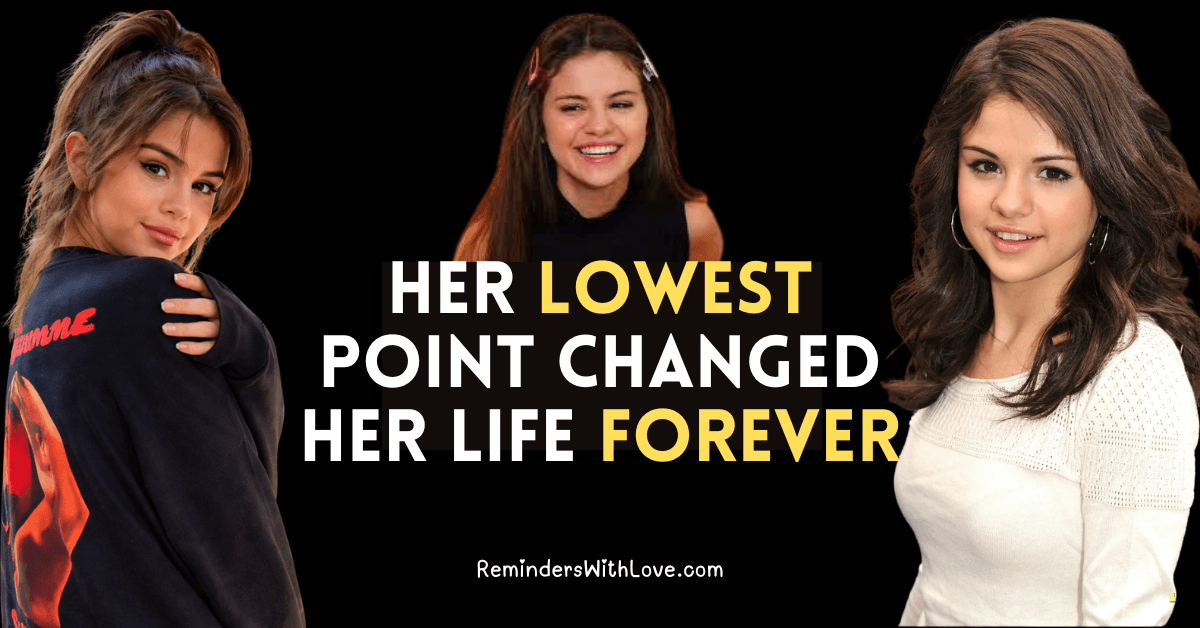
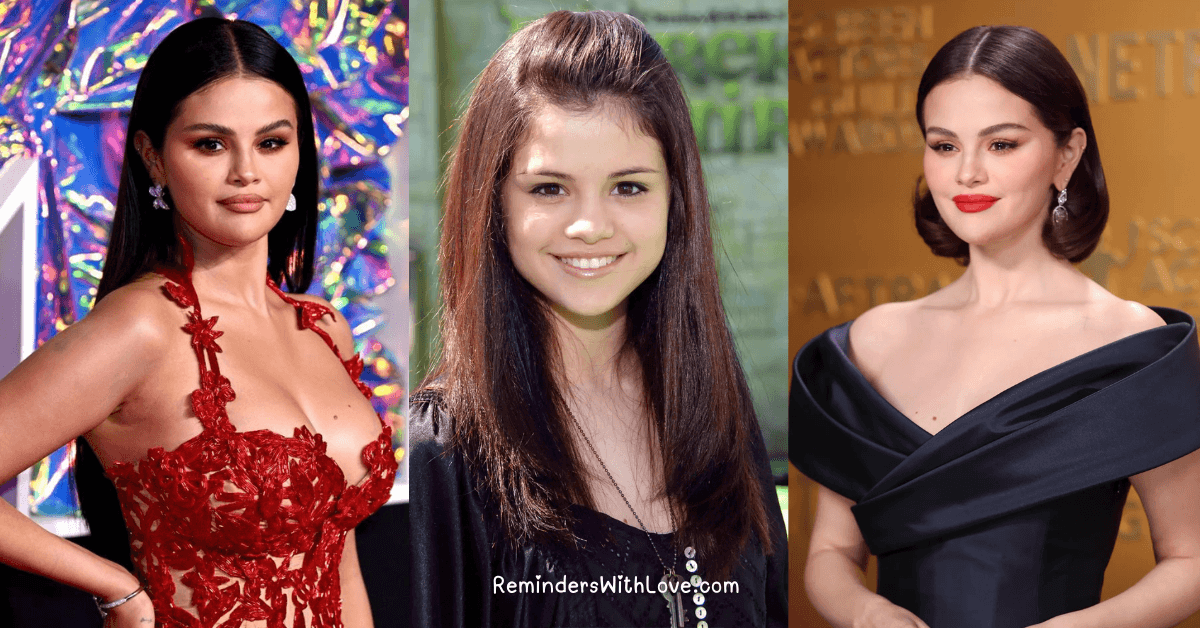
When people compare old Disney-era Selena to present-day Selena, they point to:
- Changes in facial structure
- Different speaking tone
- Altered body language
- New emotional energy
Then someone adds a dramatic caption:
“The real Selena is gone.”
That quote is powerful. Let’s examine it.
When someone says, “The real Selena is gone,” they’re not always talking literally. Often, they mean:
- She seems different.
- She acts more reserved.
- She doesn’t radiate the same youthful energy.
But people grow. Illness changes people. Trauma reshapes identity. Fame matures personalities.
The mind prefers a dramatic explanation over a complicated human one.
What Are Parasocial Relationships — and How Do They Fuel Conspiracy Theories?
Let me explain something important: parasocial relationships.
A parasocial relationship is a one-sided emotional bond you form with a public figure. You don’t know them personally, but you feel like you do.
You watched Selena on Disney Channel.
You heard her interviews.
You followed her breakup with Justin Bieber.
Over time, you built a mental version of her.
Psychologists have studied parasocial bonds for decades. Research published in media psychology journals shows that viewers often feel deep emotional investment in celebrities, especially those they grow up watching.
When that celebrity changes, it feels personal.
So when someone says, “She’s not the same person anymore,” it resonates emotionally.
But emotional resonance is not proof of cloning.
Why Does Fame Create a Sense of Identity Ownership?
Here’s something we don’t talk about enough.
When a celebrity becomes famous at a young age, fans feel like they “discovered” them. They feel like they witnessed their growth.
That creates a subtle feeling of ownership.
You might not realize it consciously, but your brain thinks:
“I know who she is.”
So when she changes — physically, emotionally, stylistically — it disrupts your internal narrative.
Instead of thinking:
“She matured.”
Some people think:
“She’s not the same.”
And in conspiracy culture, that gap gets filled with extreme explanations.
How Does the Algorithm Reward the Selena Gomez Clone Theory?
Let’s talk about something practical: the algorithm.
TikTok, YouTube Shorts, and Instagram Reels reward:
- Shock
- Suspense
- Emotional reactions
- Controversial claims
If someone posts a calm video saying, “Selena Gomez is fine,” it won’t trend.
But if someone posts:
“Proof Selena Gomez was replaced”
with eerie music and slow zoom edits — it grabs attention.
The algorithm notices watch time.
Longer watch time = more distribution.
That’s how the Selena Gomez replacement conspiracy spreads.
It’s not evidence. It’s engagement math.
Did Trauma and Health Issues Contribute to the Replacement Myth?
Yes — and this is critical to understand.
Selena has publicly spoken about her battle with lupus, an autoimmune disease confirmed by major outlets like NBC News and the Lupus Foundation of America. She underwent a kidney transplant in 2017.
Health conditions can:
- Change facial swelling
- Affect energy levels
- Alter vocal tone
- Impact posture
She has also discussed anxiety and mental health treatment in interviews.
Trauma changes people.
But instead of interpreting changes through a health lens, some conspiracy narratives frame them as “evidence.”
When someone says:
“She doesn’t act like she used to,”
that statement ignores:
- Physical illness
- Emotional growth
- Media training
- Aging
Humans evolve. Especially after medical and psychological challenges.
Why Do Celebrity Replacement Theories Happen So Often?
The celebrity clone conspiracy theory is not new.
Over the years, the internet has claimed various musicians and actors were “replaced” after accidents, breakdowns, or public image shifts.
The pattern is predictable:
- Celebrity faces a health or image change.
- Fans notice differences.
- A theory forms online.
- TikTok edits amplify it.
- It becomes “common knowledge” in conspiracy circles.
The mind dislikes discontinuity. When someone changes dramatically, we struggle to reconcile old and new versions.
So instead of accepting evolution, some create a supernatural explanation.
It feels simpler.
Is There Any Scientific Evidence Supporting Human Cloning of Celebrities?
No.
Human reproductive cloning is widely restricted and ethically controversial. There is no verified scientific evidence that secret cloning programs are replacing public figures.
Mainstream science publications and academic institutions have never confirmed the existence of celebrity cloning.
Without evidence, a theory remains speculation.
Why Do People Prefer Conspiracy Over Growth?
Because growth is complex.
Growth includes:
- Trauma
- Aging
- Illness
- Emotional scars
- Personal evolution
Conspiracy simplifies complexity.
It replaces:
“She survived something hard and changed.”
with:
“She was replaced.”
The second explanation feels dramatic and cinematic.
But reality is usually human.
What Does the Selena Gomez Clone Theory Say About Us?
This is where it gets reflective.
When we insist someone must be a clone because they changed, we reveal something about ourselves:
We struggle with change.
We want consistency.
We want the version we first loved.
But celebrities are not frozen in time.
They grow — just like you and me.
Final Grounded Conclusion: Is Selena Gomez a Clone?
Let’s bring this back to facts.
There is:
- No verified scientific evidence.
- No credible investigative reporting.
- No official confirmation.
- No documented proof.
There is only speculation amplified by algorithms.
The Selena Gomez clone theory explained simply comes down to psychology, parasocial attachment, and internet amplification.
She is not replaced.
She is not cloned.
She is a human being who:
- Faced illness.
- Experienced heartbreak.
- Grew up in the spotlight.
- Changed over time.
And change can look dramatic under constant public scrutiny.
But change is not evidence of replacement.
It’s evidence of being alive.
If you ever catch yourself thinking,
“Why does she seem different?”
Maybe the better question is:
“Why do I expect her not to be?”
🔥 Before you go, don’t miss the full Selena Gomez conspiracy breakdown series:
- Is Selena Gomez dead? The truth behind the viral death hoaxes and clone rumors
- Is Selena Gomez replaced? Selena Gomez Clone Theory Explained: Inside the Viral Internet Rumor 2026
- Selena Gomez Vs the Epstein email rumor explained: Why is Selena Gomez being mentioned?
- Why the internet wants Selena Gomez to be a clone: The psychology behind celebrity conspiracies explained
If you’re curious about one rumor, you’ll want the full picture. Start anywhere — but don’t stop at just one.