Healthy aging is about more than living longer. Discover how physical health, emotional wellbeing, social connection, purpose, and community support shape life as we grow older.
Have you ever noticed how many people talk about aging as if it is something to fear?
Advertisements promise to make people look younger. Conversations about aging often focus on decline. Many people assume that getting older automatically means becoming less active, less happy, less connected, or less fulfilled.
But is that really true?
Around the world, people are living longer than ever before. As populations age, an important question is gaining attention among researchers, healthcare professionals, and social workers:
What does healthy aging actually mean?
The answer goes far beyond avoiding illness or living to a certain age. Healthy aging is increasingly understood as a combination of physical health, emotional wellbeing, social connection, purpose, independence, and quality of life.
Understanding healthy aging is important not only for older adults but for everyone. After all, aging is a lifelong process that affects us all.
Is Healthy Aging Just About Physical Health?
Many people assume healthy aging simply means avoiding disease.
While physical health is certainly important, modern research suggests that healthy aging is much broader than that.
Two people may have similar health conditions but experience aging very differently.
One person may remain socially active, engaged in their community, and satisfied with life.
Another may feel isolated, disconnected, and unhappy despite having relatively good physical health.
This highlights an important reality:
Healthy aging is not defined solely by medical conditions. It is also shaped by emotional, social, psychological, and environmental factors.
Researchers increasingly view healthy aging as the ability to maintain wellbeing, participation, purpose, and quality of life as people grow older.
Why Is Aging Often Viewed Negatively?
Many societies place a strong emphasis on youth.
Popular culture frequently associates youth with:
- Beauty
- Productivity
- Energy
- Opportunity
As a result, aging is sometimes portrayed as a process of loss.
People may hear messages suggesting that aging means:
- Declining abilities
- Reduced independence
- Less relevance
- Social withdrawal
However, research on aging paints a much more balanced picture.
While aging brings challenges, it can also bring:
- Greater emotional wisdom
- Stronger self-awareness
- Improved perspective
- Deeper relationships
- Increased resilience
Many older adults report high levels of life satisfaction and emotional stability.
Healthy aging involves recognizing both the challenges and the opportunities that accompany later life.
What Role Does Emotional Wellbeing Play in Healthy Aging?
Emotional wellbeing is a major component of healthy aging.
As people age, they often experience significant life changes, including:
- Retirement
- Loss of loved ones
- Health changes
- Changes in social roles
- Family transitions
These experiences can affect emotional wellbeing.
At the same time, research suggests that many older adults develop greater emotional regulation skills than younger adults.
They may become better at:
- Managing stress
- Prioritizing meaningful relationships
- Letting go of minor frustrations
- Focusing on what truly matters
This does not mean older adults avoid emotional challenges.
Rather, many develop greater emotional perspective through life experience.
Healthy aging includes maintaining emotional wellbeing while adapting to life’s changes.
Why Are Social Connections So Important?
One of the strongest predictors of wellbeing in later life is social connection.
Humans remain social beings throughout their lives.
Strong relationships can provide:
- Emotional support
- Companionship
- A sense of belonging
- Opportunities for engagement
- Practical assistance
Unfortunately, many older adults face increased risks of social isolation.
Factors such as:
- Retirement
- Reduced mobility
- Loss of friends or spouses
- Relocation
- Family distance
can make maintaining social connections more difficult.
Research consistently shows that social isolation is associated with poorer health and wellbeing outcomes.
This is why healthy aging includes maintaining meaningful relationships and opportunities for social engagement.
What Is the Connection Between Purpose and Healthy Aging?
Purpose is often overlooked when discussing aging.
Many people spend decades building careers, raising families, and fulfilling responsibilities.
When major life transitions occur, particularly retirement, individuals may begin asking:
- What gives my life meaning now?
- What role do I play?
- How can I continue contributing?
Research suggests that having a sense of purpose contributes to wellbeing across the lifespan.
Purpose may come from:
- Volunteering
- Mentoring others
- Community involvement
- Hobbies
- Lifelong learning
- Family relationships
- Creative activities
Healthy aging is not simply about staying busy.
It is about remaining engaged in activities that feel meaningful and fulfilling.
Does Healthy Aging Mean Staying Independent?
Independence is often viewed as an important aspect of aging.
Many older adults value the ability to:
- Make decisions
- Manage daily activities
- Maintain autonomy
- Participate in their communities
However, healthy aging does not necessarily mean doing everything alone.
Humans are interdependent throughout life.
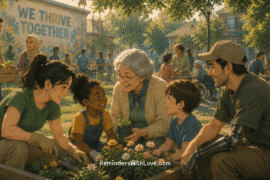
Support from family, friends, neighbors, and communities remains important at every age.
In fact, healthy aging often involves balancing independence with connection and support.
The goal is not complete self-sufficiency but maintaining dignity, choice, and quality of life.
Why Is Community Support Important for Older Adults?
Healthy aging does not occur in isolation.
Communities play a major role in shaping wellbeing.
Older adults benefit from communities that provide:
- Accessible transportation
- Healthcare services
- Social opportunities
- Safe public spaces
- Community programs
- Inclusive environments
This is one reason social workers, community organizations, and policymakers increasingly focus on age-friendly communities.
Healthy aging is influenced not only by individual choices but also by the environments in which people live.
Supportive communities make it easier for older adults to remain active, connected, and engaged.
Can People Continue Growing as They Age?
Absolutely.
One of the biggest misconceptions about aging is that personal growth stops at a certain age.
In reality, human development continues throughout life.
Older adulthood can bring opportunities for:
- Learning
- Reflection
- Creativity
- Relationship development
- Community involvement
- Personal growth
Many people discover new interests, skills, and passions later in life.
Others find deeper meaning in existing relationships and experiences.
Healthy aging recognizes that development is a lifelong process.
People continue to learn, adapt, and evolve throughout adulthood.
What Challenges Can Affect Healthy Aging?
While healthy aging is possible, it is important to acknowledge challenges.
Older adults may face:
- Chronic health conditions
- Social isolation
- Bereavement
- Financial concerns
- Mobility limitations
- Caregiving responsibilities
These challenges can affect wellbeing and quality of life.
Understanding healthy aging does not mean ignoring difficulties.
Instead, it involves recognizing both strengths and challenges while promoting supportive environments and opportunities for participation.
This balanced perspective is central to many fields, including social work, gerontology, public health, and community development.
What Can Younger Generations Learn About Healthy Aging?
Healthy aging is not something that begins at age 65 or 75.
The foundations of healthy aging are built throughout life.
Factors that contribute to wellbeing later in life often include:
- Strong relationships
- Community involvement
- Healthy habits
- Lifelong learning
- Emotional resilience
- A sense of purpose
Understanding healthy aging encourages people of all ages to think beyond physical health and consider the broader factors that contribute to wellbeing.
In many ways, healthy aging begins long before old age arrives.
Why Is Healthy Aging Becoming More Important?
Globally, populations are aging.
People are living longer, and societies are adapting to demographic changes.
This creates important questions about:
- Quality of life
- Community support
- Healthcare
- Social inclusion
- Intergenerational relationships
Healthy aging is becoming an increasingly important topic because it affects individuals, families, communities, and entire societies.
Understanding how people can remain connected, engaged, and fulfilled throughout later life benefits everyone.
Final Thoughts
Healthy aging is about far more than avoiding illness or extending lifespan.
It involves maintaining physical health, emotional wellbeing, social connection, purpose, dignity, and participation in meaningful activities.
It recognizes that people continue to grow, contribute, and find meaning throughout their lives.
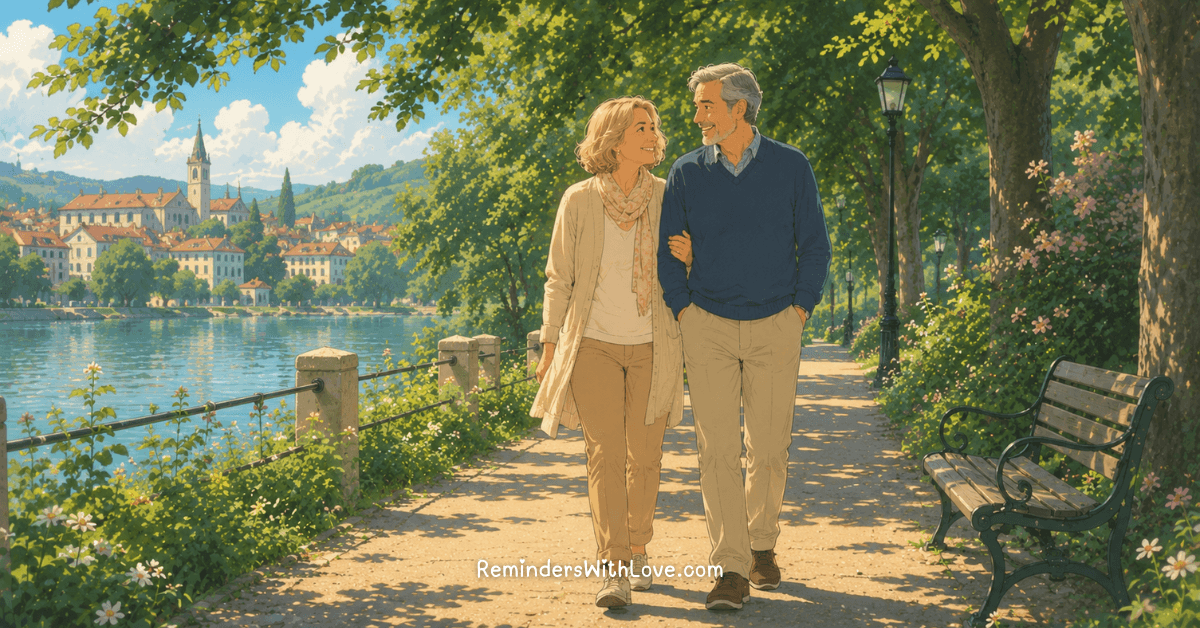
Perhaps most importantly, healthy aging reminds us that growing older is not simply a process of decline. It is a stage of life with its own opportunities, challenges, strengths, and possibilities.
By understanding healthy aging more fully, we can create communities and societies that support wellbeing at every age.